
 English
 Español
 Français
 Português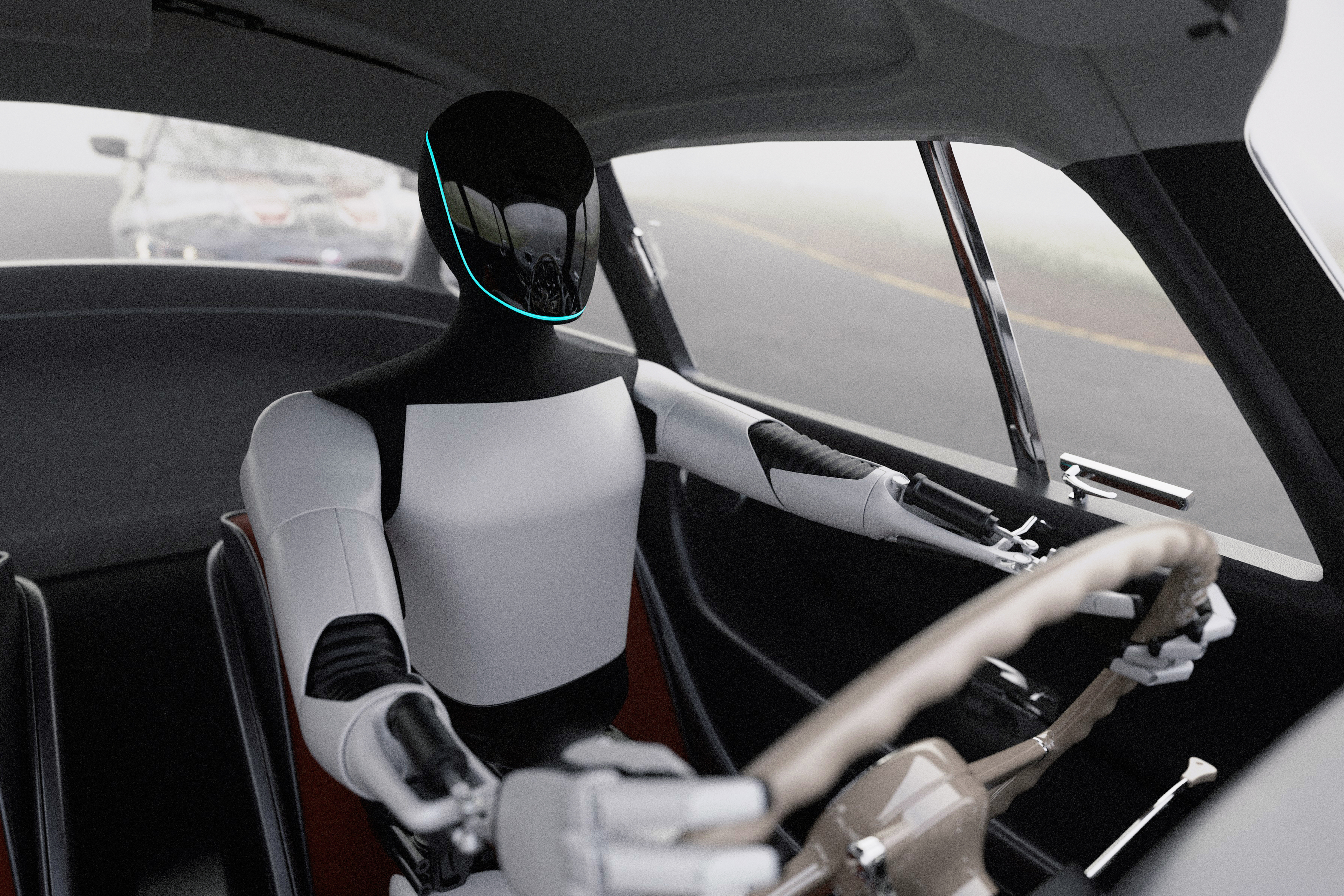
Advancements in autonomous vehicle technology are rapidly changing the landscape of driving and law enforcement. As self-driving cars become more prevalent, police departments face unique challenges and opportunities in adapting to this new environment.
The Challenge of Enforcing Laws with Autonomous Vehicles
In September 2025, during a DUI enforcement operation in San Bruno, CA, officers observed a vehicle making an illegal U-turn at a traffic light. Upon pulling the vehicle over, they discovered there was no driver present. This situation highlighted a dilemma, as current laws in most states require a driver to be identified when issuing citations for moving violations. Since there was no way to issue a ticket to a robot, the vehicle left without any citation.
The Expansion of Autonomous Vehicles
While some people may believe that widespread use of autonomous vehicles is limited to California, 2025 marked a significant expansion of Level 4 and 5 autonomous vehicles in major cities across the United States. Even outside urban areas, Level 2 autonomous cars are increasingly common on American roads. There are estimated to be 40 million Level 2 capable vehicles in the US today.
The Six Levels of Driving Automation
The Department of Transportation uses the SAE-defined levels of driving automation, which are:
- Level 0: No driving automation, though features like cruise control or emergency braking may be present.
- Level 1: Includes automated systems such as lane assist or adaptive cruise control, but the driver is still fully responsible for the vehicle. These features are standard in most modern vehicles.
- Level 2: Advanced driver assistance systems (ADAD) allow the vehicle to control steering and movement, but the human driver must monitor the roadway and can take control at any time. Examples include Tesla Autopilot, GM Super Cruise, Ford Blue Cruise, and Toyota Safety Sense.
- Level 3: Builds on Level 2 technologies with environmental detection capabilities. The driver must be available to take control if alerted. Mercedes currently offers the only Level 3 vehicle in the U.S., with numerous restrictions.
- Level 4: Operates without human intervention in most circumstances, although there are controls for emergencies. Companies such as Waymo, Robotaxi, and Motional operate Level 4 vehicles across the country.
- Level 5: Full autonomy with no human intervention required, and no steering wheel or pedals. Zoox is labeled as a Level 5 vehicle, but currently operates within a geofenced area and is thus limited to Level 4.
Law Enforcement Concerns Regarding Autonomous Vehicles
In 2024, Wilson Mills Police Department attempted to pull over a vehicle on Interstate 70, where the driver was found sleeping while the Tesla was driving at high speeds. With lights and sirens activated, the Tesla continued for miles until an officer familiar with the brand suggested getting in front of it, causing the autopilot to slow down. The traffic stop ended with the arrest of the driver on four felony drug trafficking charges.
Such incidents are increasingly common as Level 2 autonomy becomes widespread. Drivers are paying less attention to the road and sometimes sleep while their vehicle is in motion. Many people are also driving intoxicated, relying on Level 2 vehicles to get them home. A 2025 insurance study found that Tesla drivers had 1.8 DUIs per 1,000 drivers, much lower than the CDC’s 2025 national rate of 6 DUI’s per 1,000 drivers.
Failures in Level 2 systems are also a concern. Since 2021, the NHTSA confirmed seven serious Tesla accidents involving severe injuries, with Honda, Subaru, and other manufacturers reporting over 100 crashes each while vehicles operated in Level 2 mode. Laws have not kept pace with incidents involving driving assistance software.
One such example is the March 2024 DUI case involving Dimple Patel. She was driving in Ford’s Level 2 mode Blue Cruise at 70 MPH when her vehicle slammed into the back of a disabled vehicle on I-95 in Philadelphia leading to the deaths of two people. She was arrested on the scene and charged with DUI homicide. Her defense attorney commented, “Pennsylvania law requires that the DUI caused the homicide. If in fact it's a failure in a self-driving or a driving system, that may not be a homicide by DUI even if the driver is intoxicated.”
Despite these failures, autonomous vehicles have driven millions of miles safely, raising questions about proactive policing. Many police contacts involve vehicles, and as these vehicles become safer, the nature of traffic stops may change. If humans are not fully in control, fewer traffic stops could lead to fewer arrests resulting from vehicle searches.
Potential Risks and Crime Concerns
Criminals may begin to use autonomous features to evade police. Level 2 features allow individuals to commit crimes, such as firing at officers while driving. Self-driving cars could serve as getaway vehicles, enabling occupants to focus on preventing police from stopping them. Isolated reports have shown drug deals occurring between Waymo passengers and passerby’s in addition to on demand delivery drivers being used to deliver drugs and contraband.
Reduced need for traffic management might result in lower police presence, which could decrease the deterrence of crime. Autonomous vehicles, by driving more safely, could paradoxically lead to higher crime rates due to reduced law enforcement visibility.
Benefits of Autonomous Vehicles for Law Enforcement
Despite the risks, autonomous vehicles also offer important benefits. For example, police cars that drive themselves allow officers to focus on other critical tasks. Technology can enable faster response times, as sensors provide emergency vehicles with unimpeded access and help reduce intersection collisions. Some predict that patrol cars equipped with advanced algorithms could outsmart criminal vehicles.
Additionally, autonomous vehicles will be highly connected, integrating with smartphones, smart homes, and other connected devices. These vehicles will store vast amounts of digital intelligence, which can be valuable in criminal investigations.
Preparing for the Future of Policing
Law enforcement must be proactive in addressing the changes brought by self-driving cars. Technology is on the road today and quickly expanding. This significantly impacts police procedures and organizational structures. Leadership should work closely with legislators to update laws and regulations and ensure technology companies and vehicle manufacturers do not leave law enforcement out of the discussion.