
Objective Methods. Defensible Conclusions.

Firearm and toolmark examiners are under increasing pressure to support conclusions with objective, quantifiable data. Q3M delivers. The next generation 3D microscope gives examiners the visual and quantitative tools to reach common source determinations with confidence levels and error rates that hold up in court.

Overview

Every firearm leaves a unique signature on the bullets and cartridge cases it fires. For decades, identifying those signatures has relied on the skill of the firearms examiner. Q3M gives examiners the tools to go further.

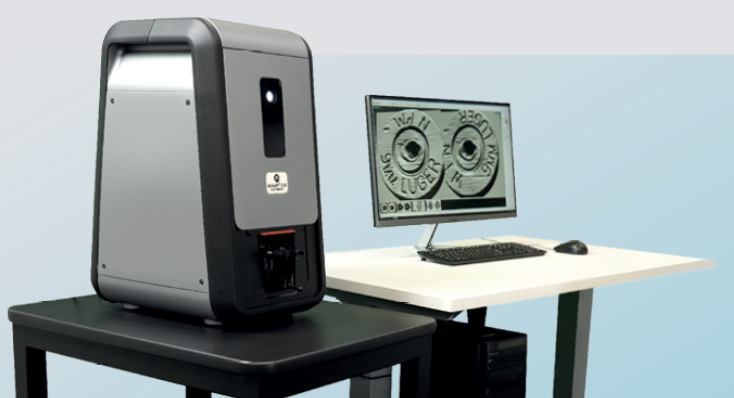
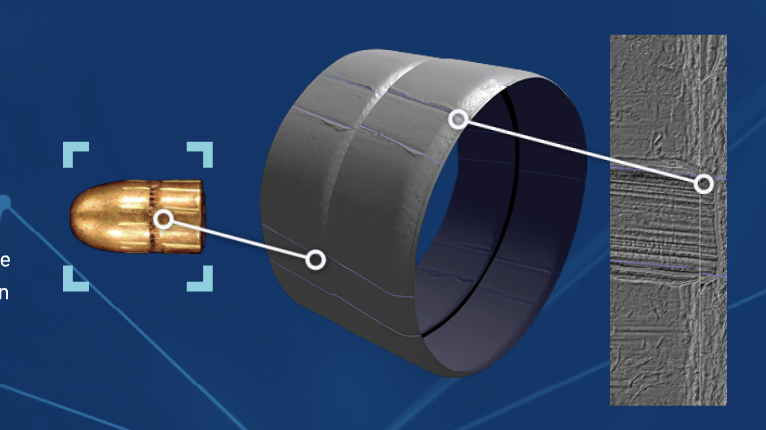
Using advanced 3D topography capture, Q3M digitally measures the surface of bullets and cartridge cases with precision, producing high-resolution 3D images that reveal far more detail than conventional optical methods, with lighting and viewing conditions that are fully reproducible. Examiners use powerful 3D comparison tools to analyze those surfaces side by side, with greater ease, greater clarity, and greater confidence in their conclusions.

Q3M goes further with quantitative analysis. Our proprietary RBL Method calculates a False Match Rate, an objective, scientifically defensible error rate that quantifies the strength of agreement between two specimens. This gives examiners a statistical foundation to support their conclusions and courts the objectivity they increasingly demand.

Q3M is purpose-built for specific casework, helping examiners reach common source determinations with higher confidence in significantly less time.

*3D model is a simulated representation shown for informational purposes only and may not reflect exact unit specifications.

Benefits

Firearm examination demands precision, objectivity, and confidence. Q3M delivers all three.

Use Cases

Real-world scenarios where Q3M advances firearm and toolmark examination with objectivity.

From Subjective Opinion to Statistical Certainty

A firearm examiner concludes that two bullets were fired from the same firearm. The conclusion is well-founded, but in court the defense challenges the lack of a statistical basis. With Q3M, the same examiner presents the RBL Method results alongside their conclusion, including a False Match Rate that quantifies the probability that two bullets from different firearms would generate a comparable similarity score. The examiner's conclusion stands on scientific ground while the court gets the objective, quantified answer it needs.
Drawing Conclusions from Complex Evidence

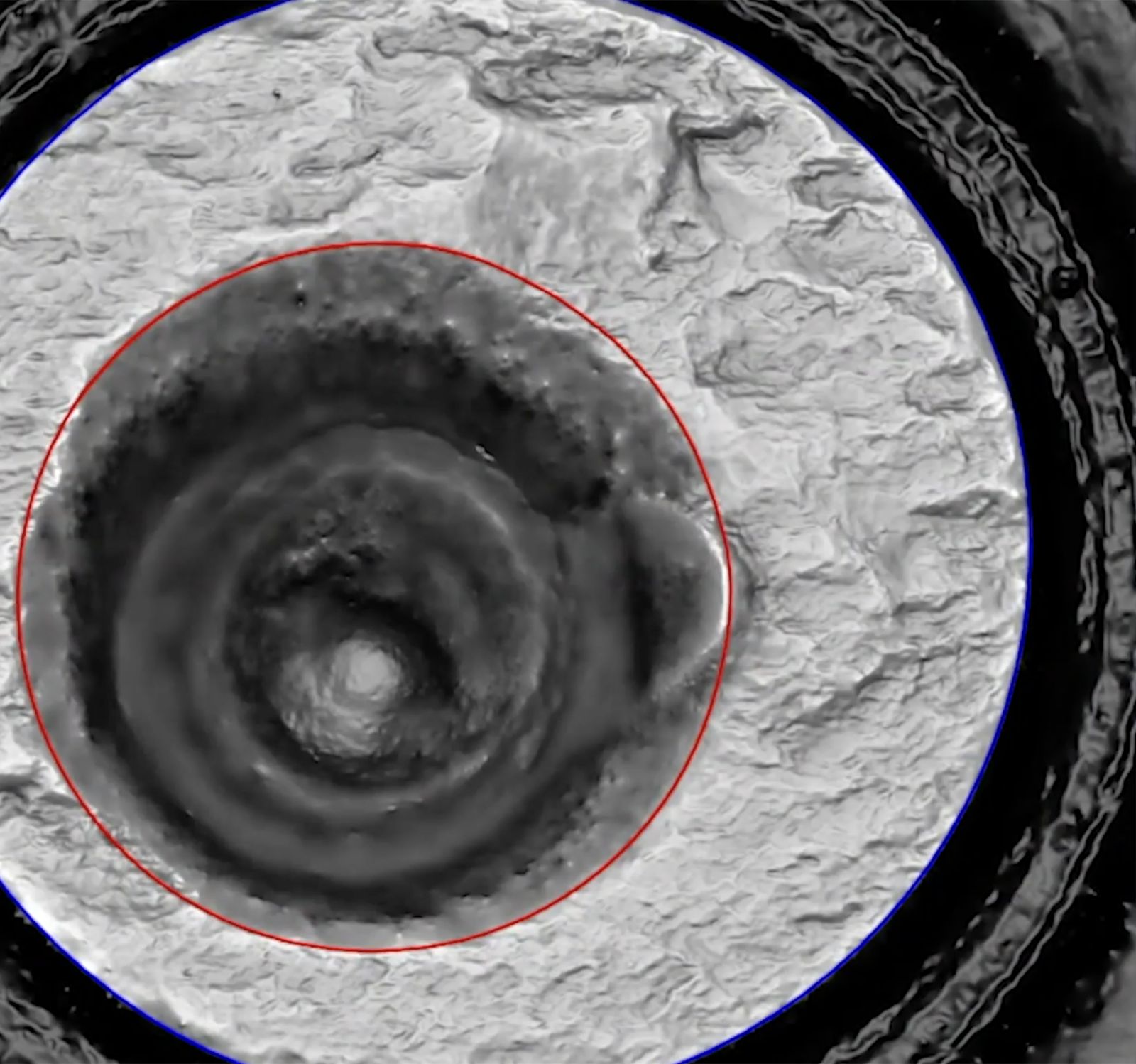
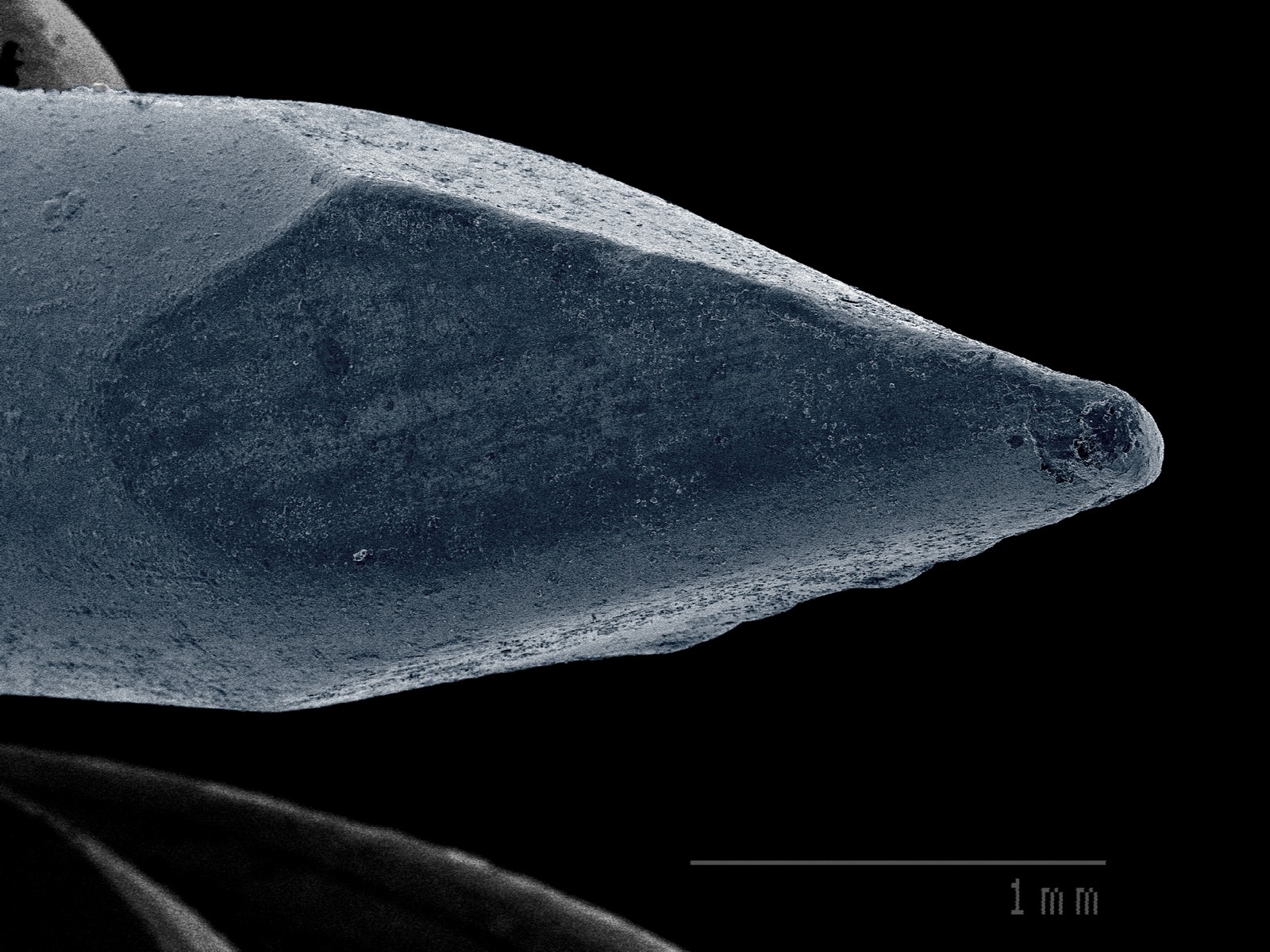
A case involves fragmented bullets and deformed cartridge cases recovered from a crime scene. Under conventional comparison microscopy, the damage makes meaningful comparison difficult and results are inconclusive. Q3M's intelligent surface tracking adapts to complex deformations, capturing full 3D topography even on challenging objects. Marks that were invisible or ambiguous under conventional methods become measurable and comparable, turning inconclusive results into actionable conclusions.

Streamlining Complex Lab Workflows

When a large case spans multiple firearms, dozens of cartridge cases, and several examiners, coordination within the lab often becomes the bottleneck. Q3M eliminates it. Acquisitions are performed once and the Q3M Extension software creates digital workspaces, allowing multiple examiners to conduct comparison viewing and quantitative analysis in parallel without transferring physical evidence. The result is faster turnaround, less examiner fatigue, and full reproducibility across every examiner's work.

How It Works

No two cases are alike. Q3M adapts to every case, giving examiners a complete 3D examination workflow from acquisition to conclusion.

  • 3D Acquisition — Q3M digitally captures the full surface topography of firearm evidence with precision, using intelligent surface tracking that adapts automatically to complex shapes. The S1 model acquires the rifling marks on fired bullets including damaged, deformed, and fragmented specimens across all calibers. The F1 model acquires the breech face, firing pin, and ejector marks, as well as the full headstamp on fired cartridge cases. Once acquired, objects never need to be remounted. The 3D data is available for comparison, peer review, and future casework at any time.
  • 3D Comparison Viewing — With objects acquired, examiners use Q3M's powerful 3D viewing tools to compare surface details side by side. Simulated lighting, surface reflectivity options, and best-match alignment that automatically presents acquisitions in their most comparable position. Unlike conventional comparison microscopy, lighting conditions are fully reproducible and adjustable with a simple mouse movement, eliminating manual adjustment and inconsistency between sessions. The S1 model compares up to six bullets simultaneously, while the F1 model provides independent views for each region of interest on cartridge cases.
  • Quantitative Analysis — Once visual comparison is complete, the RBL Method delivers an objective, statistical foundation for the examiner's conclusion. Topography measurements feed correlation algorithms that calculate a False Match Rate, quantifying the probability that two acquisitions from different firearms would generate a comparable similarity score. Results are plotted on an RBL Graph that clearly distinguishes matching from non-matching conditions, and automatic clustering groups same-source specimens based on similarity. The examiner's conclusion is supported by data, not just judgment.
Watch Video

Resources

Explore our latest content, insights, and resources designed to help you get the most from Quantum 3D Microscope.

Frequently Asked Questions

Get answers to common questions about Q3M.

What models does Q3M come in?

Q3M is available in two models. The S1 model is designed for fired bullets and other small objects with cylindrical or complex surface deformations including damaged and fragmented objects across all calibers. The F1 model is designed for fired cartridge cases, capturing breech face, firing pin, and ejector marks, as well as the full headstamp.

Can Q3M be used alongside IBIS?

Yes. A Q3M Acquisition Unit can be shared with an IBIS Acquisition Station, saving both space and cost. This can be advantageous where the volume of IBIS entries and Q3M casework can be accommodated by the same equipment.

Do objects need to be remounted for each comparison?

No. Once acquired, the objects are available for comparison, peer review, and future casework at any time without remounting. This is one of Q3M's significant workflow advantages, particularly in large cases or cases that require re-examination over time.

What is the Q3M Extension software?

The Q3M Extension has all Q3M capabilities except 3D acquisition, allowing examiners to perform comparison viewing and quantitative analysis on data from any Q3M Station, at their desk or remotely. Workspaces can be shared easily for peer review inside and outside the organization, without needing access to the acquisition hardware or physically transferring evidence.

Can Q3M data be shared with other laboratories?

Yes. Q3M workspaces include 3D acquisitions, comparison views, quantitative analysis results, and notes. The workspaces can easily be shared like any other file, inside or outside the organization. Data can also be exported in standard X3P/OpenFMC formats for broader interoperability.