
IBIS

The World Standard for Ballistic Identification

IBIS (Integrated Ballistic Identification System) the technology powering the world's most advanced ballistic identification networks, generating ballistic leads that help law enforcement advance gun crime investigations.

Overview

Time is the enemy of every gun crime investigation. Evidence sits unconnected. Cases go cold. Suspects stay on the street. IBIS changes that, automatically surfacing the ballistic associations that move investigations forward.

When bullets or cartridge cases are found at a crime scene, they carry a unique signature. IBIS is built to recognize it, match it, and turn it into an investigative lead across millions of exhibits, across thousands of agencies, automatically.

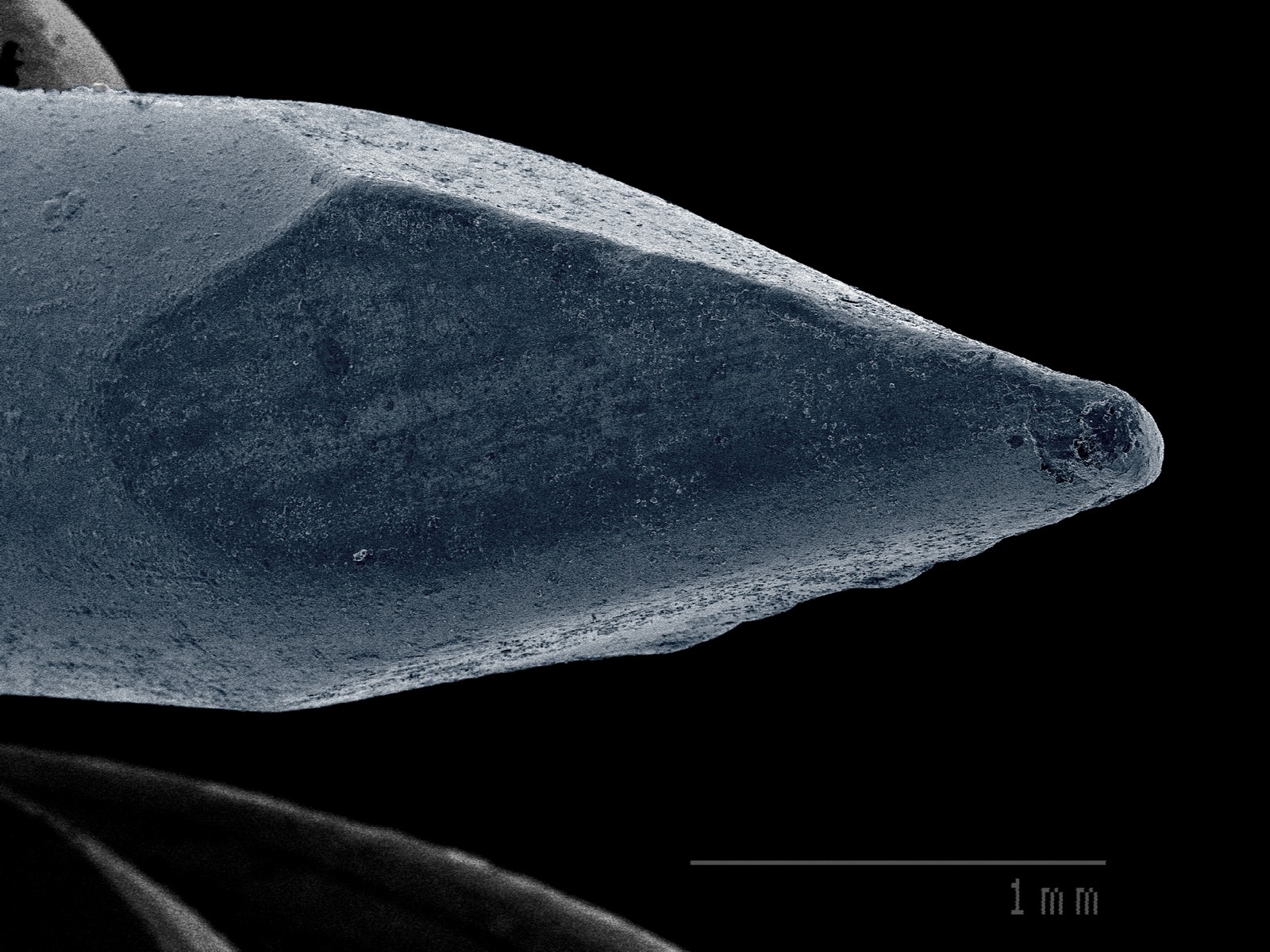
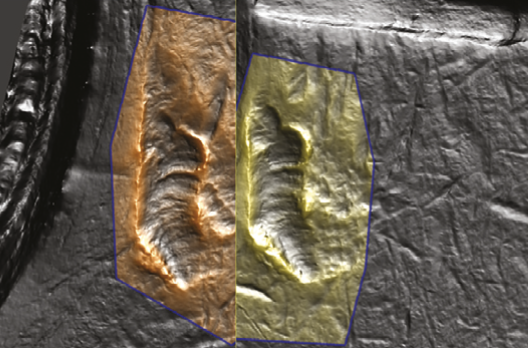
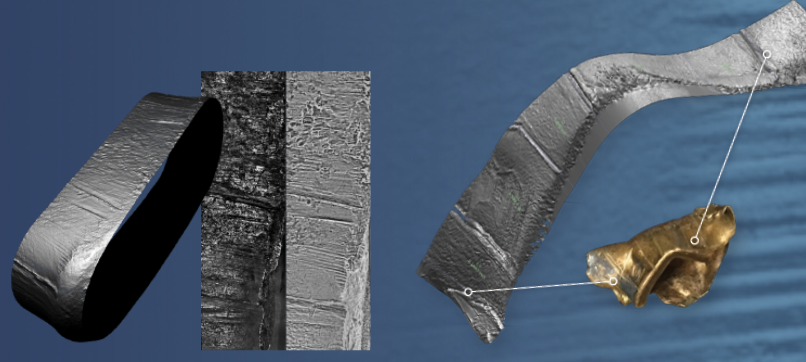
Using specialized 3D microscopy, IBIS captures the unique marks a firearm leaves on every bullet and cartridge case it fires. It then searches for similar marks across the network, automatically identifying ballistic associations between firearm-related crimes. The result is actionable intelligence delivered at a scale and speed no manual process can match.

More than 7,000 agencies across 80+ countries have deployed IBIS solutions, powering dedicated national networks around the world, including ATF's NIBIN in the United States. These networks connect firearm-related crimes and deliver the actionable intelligence investigators need to advance cases faster.

*3D model is a simulated representation shown for informational purposes only and may not reflect exact unit specifications.

Benefits

Gun crime doesn't stop at jurisdictional lines. Neither does IBIS.

Use Cases

How the IBIS network turns evidence into crime gun intelligence.

Linking Crimes Across Jurisdictions

Three shootings. Two jurisdictions. No reason to connect them. Until cartridge cases from all three scenes are submitted to IBIS. The network flags a match: the same firearm. Neither agency could have found that connection alone. Without IBIS, the link goes undetected and a repeat offender stays on the street.
Rapid Correlation Across Millions of Exhibits

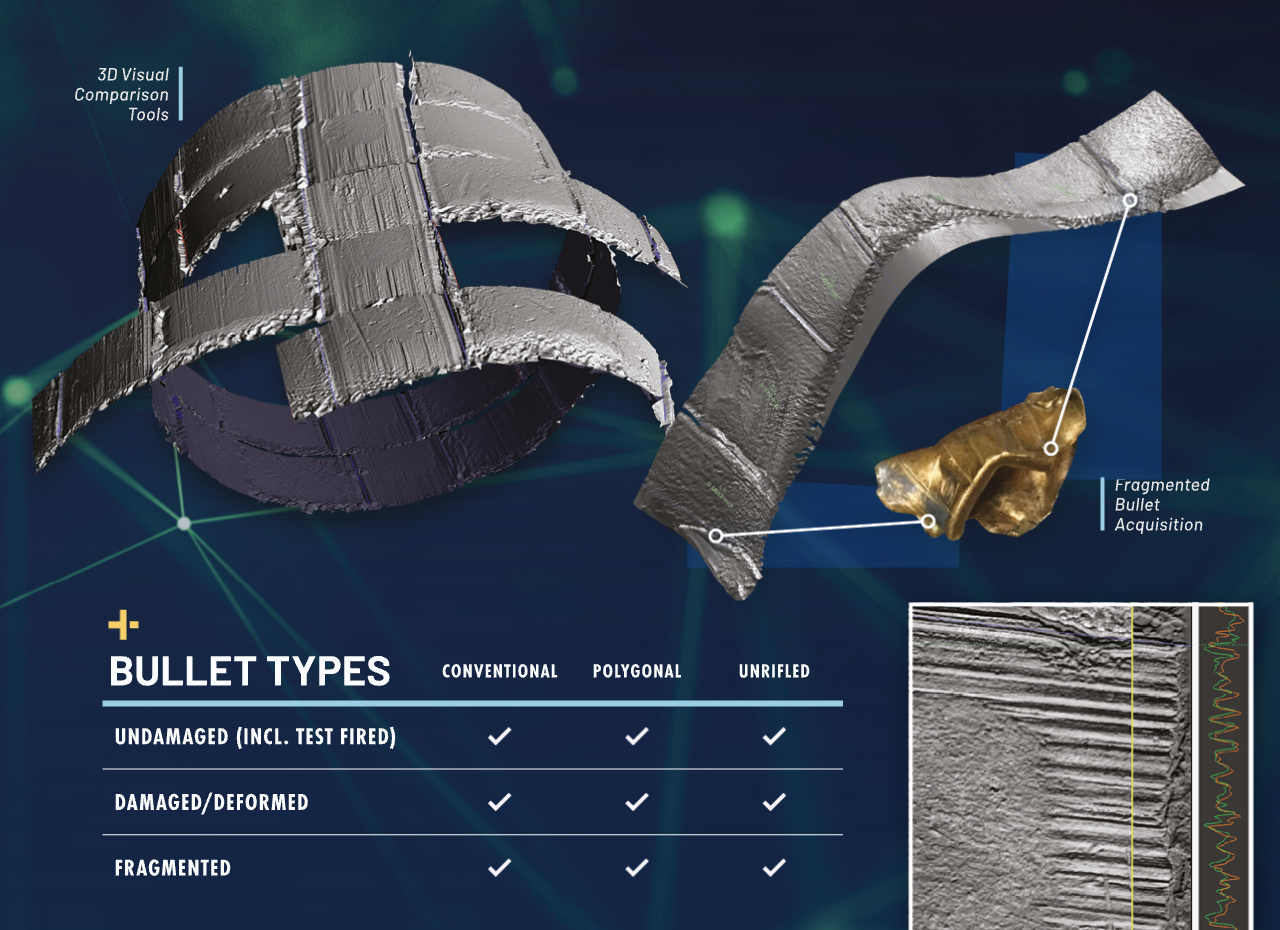
A shooting occurs in a city with millions of exhibits in its IBIS network. Manually reviewing every possible match is not an option. IBIS correlations run automatically within minutes, surfacing the most likely candidates from across the entire database. Powerful 3D viewing tools allow examiners to rapidly work through ranked results, identifying the hit that breaks the case wide open.

Identifying Repeat Offenders and Crime Guns

A firearm used in one shooting is recovered, test-fired, and entered into the network. IBIS surfaces matches to three other incidents across two neighboring jurisdictions, incidents that appeared unrelated until that moment. A pattern emerges that neither agency could have found alone. The more agencies contribute, the faster those patterns surface, and the faster prolific offenders are identified.

How It Works

IBIS works like a search engine for gun crime evidence. Using specialized 3D microscopy, it captures the unique marks a firearm leaves on every bullet and cartridge case it fires. It then searches for similar marks across the network, delivering the most likely associations to be reviewed by experts using 3D comparison viewing.

Here's how that workflow runs end to end:

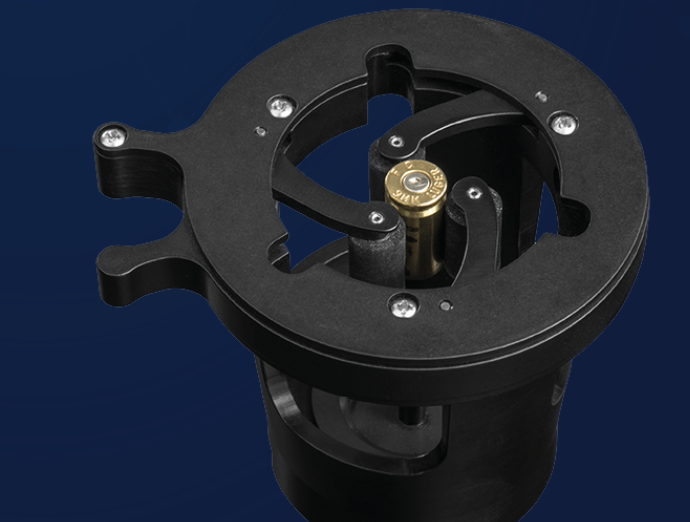
  • Evidence is loaded into BrassTrax (cartridge cases) or BulletTrax (bullets), which capture high-definition 2D and 3D images of firearm-specific markings.
  • Images are transmitted to the Data Concentrator, which stores and manages all ballistic data across your IBIS network.
  • The Correlation Engine automatically runs complex algorithms to compare new evidence against every relevant exhibit in the database, ranking results by similarity.
  • Examiners review top correlation candidates in MatchPoint, the IBIS analysis station, using side-by-side 3D virtual comparisons to confirm links.
  • Confirmed associations are flagged as investigative leads and routed to detectives, giving investigators actionable intelligence, fast.

From evidence acquisition to correlation to expert analysis. IBIS gives your agency the technology, the network, and the leads to advance gun crime investigations faster.

Watch Video

Resources

Explore our latest content, insights, and resources designed to help you get the most from IBIS.

Frequently Asked Questions

Get answers to common questions about IBIS

What markings does IBIS capture?

For cartridge cases, IBIS captures breech face impressions, firing pin impressions, and ejector marks, the unique signatures left by a specific firearm's chamber and action. For bullets, IBIS captures the circumferential land and groove impressions left by the barrel's rifling. All markings are captured in high-definition 2D and 3D.

What calibers does IBIS support?

BrassTrax supports the full range of centerfire and rimfire cartridge cases from .17 to .50, including shotshells from .410 bore to 10-gauge. BulletTrax supports bullets from .17 to .50 caliber, including conventional, polygonal, and unrifled designs, both pristine and damaged.

What support is included with IBIS?

IBIS Solution as a Service includes 24/7 multilingual support via phone and email, with responses within one hour. LeadsOnline operates five global support centers. Certified specialists provide remote diagnostics, feature support, and on-site service when required. A hardware refresh is included every seven years to keep your system current.

Can IBIS data be shared across jurisdictions?

Yes, and that's by design. IBIS-powered networks are built for multi-agency data sharing at national and federal scale. Within a network, every participating agency's evidence is automatically searched against the full national database. Countries operating their own IBIS national networks can also establish data-sharing agreements with other networks. Connections that would be impossible to find manually, across agencies, states, and borders, surface automatically.